
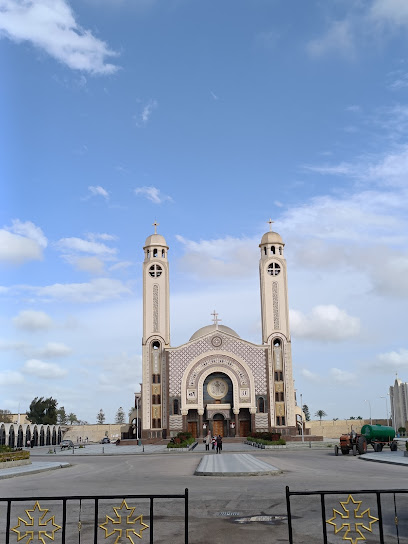
Abu Mena Heritage Site
A UNESCO-listed early Christian pilgrimage site associated with Saint Menas.
A UNESCO-listed early Christian pilgrimage site associated with Saint Menas.
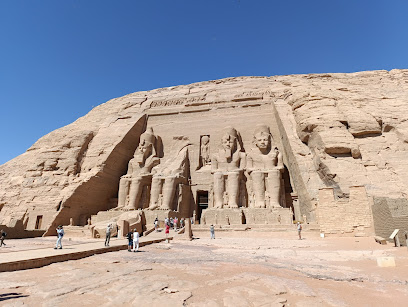
Two massive rock-cut temples in southern Egypt, carved out of the mountainside during the reign of Pharaoh Ramesses II.
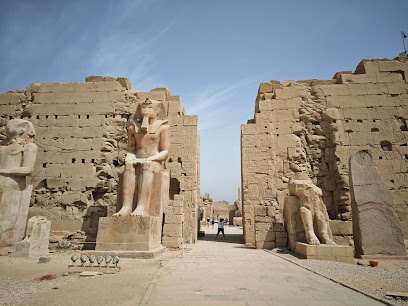
An open-air archaeological display in Akhmim, including remains associated with ancient Ipu.
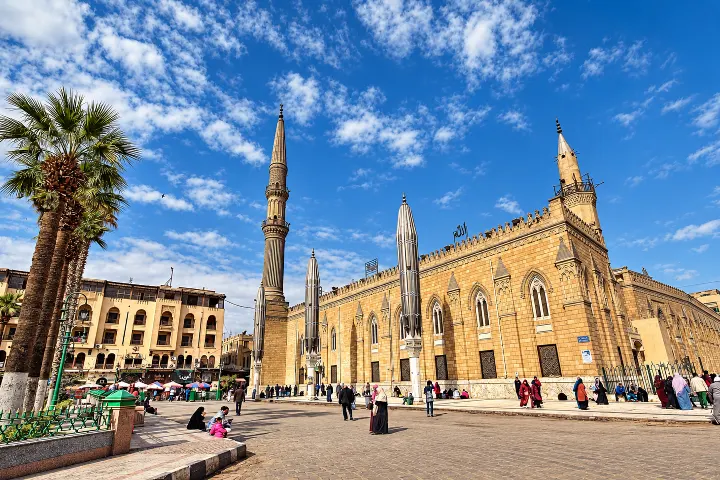
Al Emam El Hussein Mosque is a major historic mosque and religious shrine in Cairo’s Al-Hussein district, beside Khan Al-Khalili and close to Al-Azhar Mosque. The site traces its foundation to the Fatimid period in 549 AH / 1154 CE, when a shrine was established under the supervision of the vizier Al-Salih Tala'i. Egyptian official sources record a long-standing tradition that the shrine contains the head of Imam Hussein ibn Ali, grandson of the Prophet Muhammad; this should be understood as a religious and historical tradition rather than an independently established archaeological fact. The complex underwent major changes over the centuries: Khedive Ismail ordered its reconstruction and enlargement in 1862, the present mosque was completed in 1873, and its Ottoman-style minaret followed in 1878. The mosque remains an important place of worship and a prominent landmark of historic Cairo.
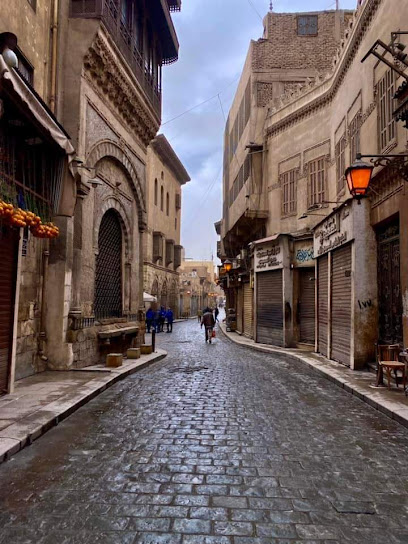
A historic street lined with major Fatimid, Mamluk, and Ottoman monuments in the heart of Islamic Cairo.
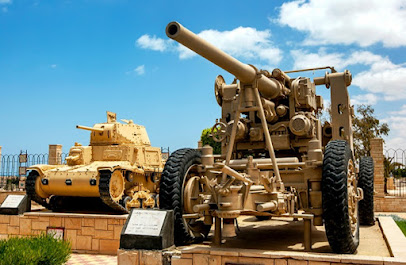
A museum documenting the World War II battles of El Alamein and the North African campaign.
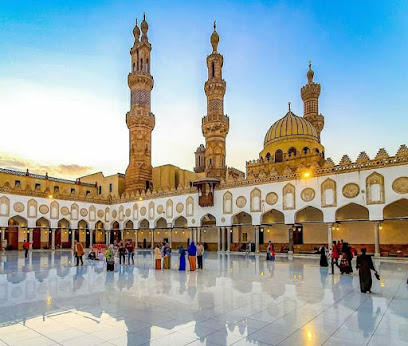
A landmark Fatimid-era mosque and center of Islamic learning in Historic Cairo.
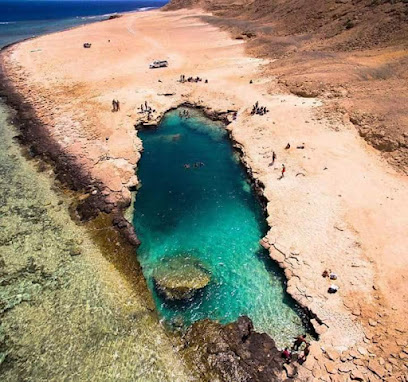
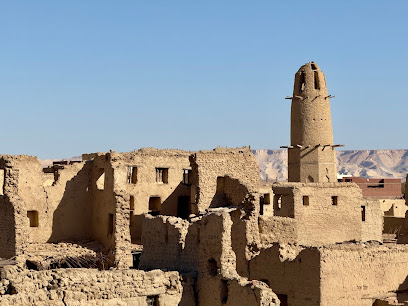
A historic mudbrick village in Dakhla Oasis with medieval lanes, houses, and mosque remains.
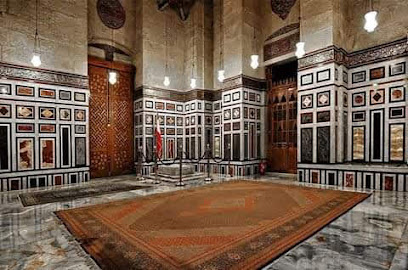
A grand royal mosque beside Sultan Hassan, containing tombs of members of Egypt's royal family.
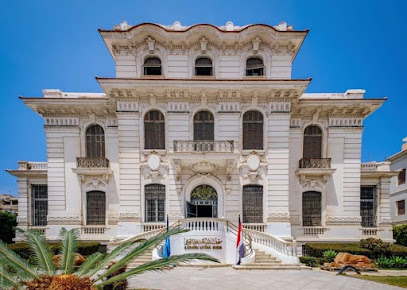
A museum presenting Alexandria's history through Pharaonic, Greco-Roman, Coptic, Islamic, and modern collections.
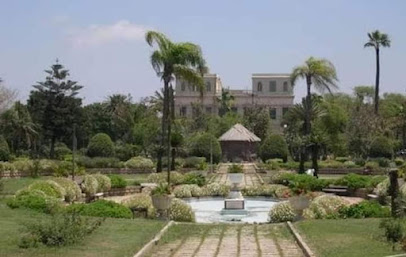
A historic villa and garden complex in Alexandria associated with cosmopolitan urban heritage.