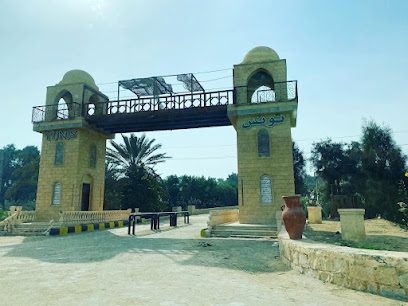
Tunis Village
A Fayoum village known for pottery workshops, rural stays, and views over Lake Qarun.
A Fayoum village known for pottery workshops, rural stays, and views over Lake Qarun.
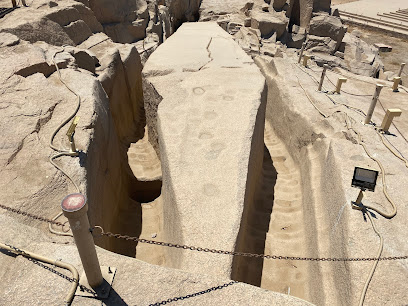
A massive ancient obelisk left unfinished in Aswan's granite quarries.
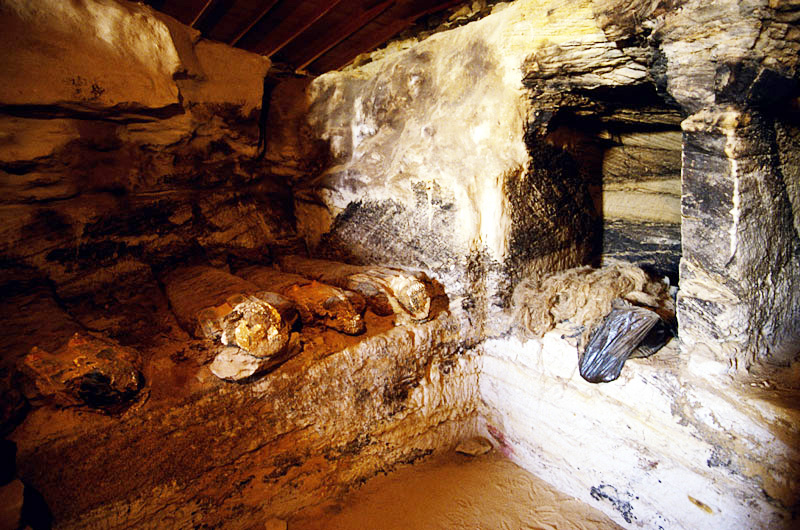
A Greco-Roman necropolis in Bahariya Oasis famous for gilded mummies.
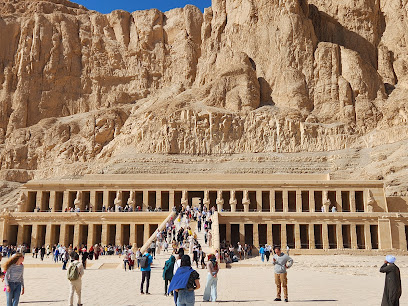
A valley where, for nearly 500 years, rock-cut tombs were excavated for the pharaohs and powerful nobles of the New Kingdom.
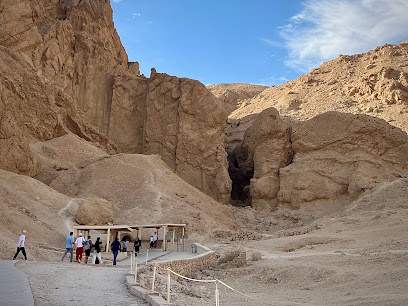
A royal necropolis on Luxor's West Bank containing tombs of queens and royal children of the New Kingdom.
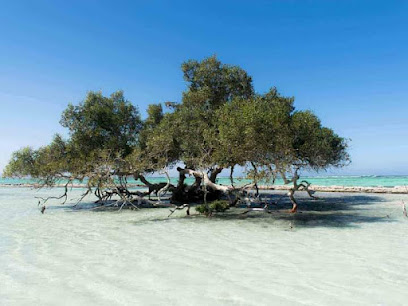
A national park combining Red Sea marine habitats, desert mountains, mangroves, and cultural heritage.
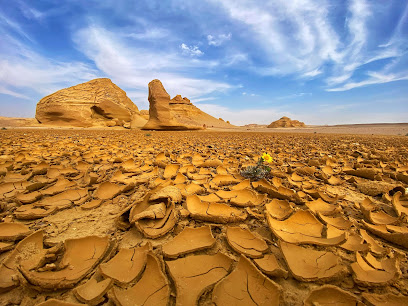
A UNESCO World Heritage site preserving fossil remains that document whale evolution.
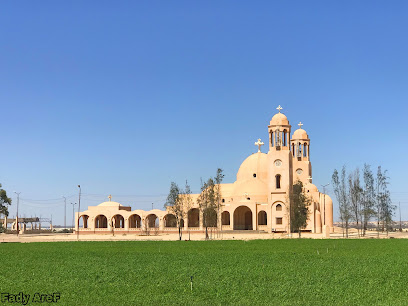
A historic monastic region in the desert northwest of Cairo, home to major Coptic monasteries.
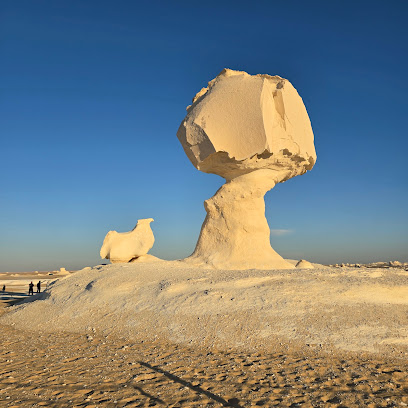
A spectacular desert region known for its surreal, snow-white chalk rock formations sculpted by the wind.
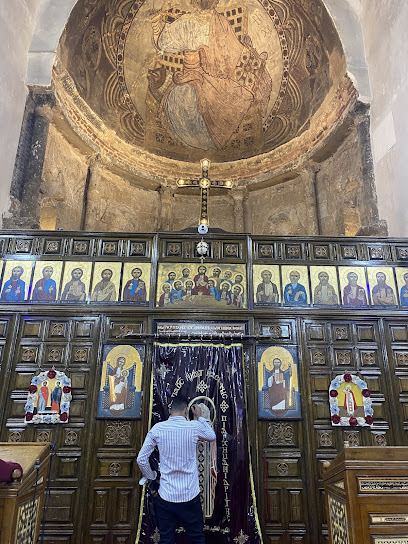
A historic Coptic monastery near Sohag associated with Shenoute the Archimandrite.
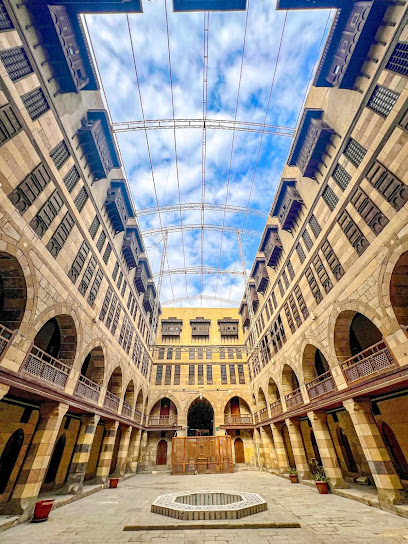
A restored caravanserai and cultural venue associated with the Sultan al-Ghuri complex.
Siwa Oasis is a major desert oasis in Egypt’s Western Desert, in Matrouh Governorate, distinguished by its palm groves, natural springs, salt lakes, traditional settlements, and archaeological remains. The oasis contains important historic sites including the Temple of the Oracle at Aghurmi, the Temple of Amun at Umm Ubaydah, and the Mountain of the Dead necropolis, while the historic settlement of Shali preserves a distinctive architectural tradition based on kershef, a local salt-and-mud building material. Siwa is also known for natural attractions such as Cleopatra’s Spring, Fatnas, and its salt lakes, giving the destination both archaeological and ecological significance. The “Siwa archaeological area” has been on Egypt’s UNESCO World Heritage Tentative List since 1994; it is not currently an inscribed World Heritage Site.