Cairo
Al-Muizz li-Din Allah Street
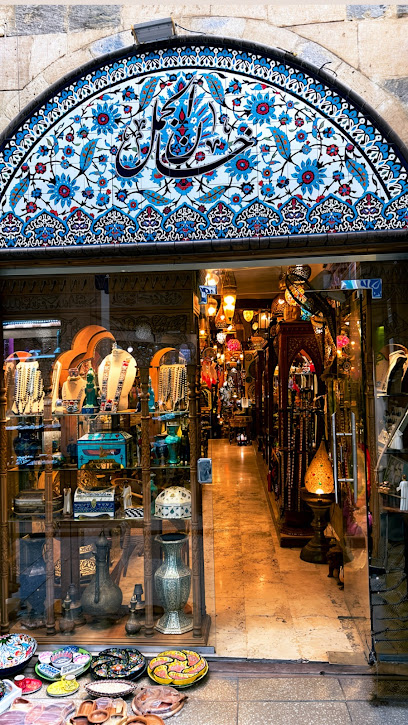
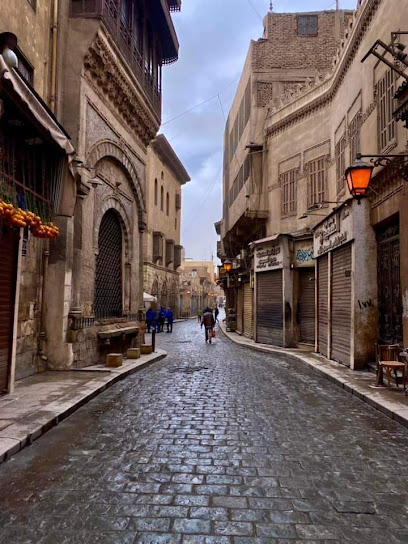
Al-Muizz li-Din Allah Street is one of Cairo's most remarkable historic thoroughfares, running through the heart of the Fatimid city from Bab al-Futuh in the north to Bab Zuwayla in the south. Dating to Cairo's foundation in 969 CE, the street was named in honour of the Fatimid caliph al-Muizz li-Din Allah and developed into a major ceremonial and commercial axis. Today, its architectural landscape brings together monuments from successive Islamic periods, including the Mosque of al-Hakim, al-Aqmar Mosque, the Qalawun Complex, Sultan Barquq's madrasa, traditional fountains, and historic residences such as Bayt al-Suhaymi. Carved stone façades, minarets, courtyards, and lively markets reveal centuries of religious, civic, and commercial life. Often described as an open-air museum of Islamic architecture, the street forms part of the wider Historic Cairo UNESCO World Heritage property, inscribed in 1979. It remains both an extraordinary heritage destination and a living urban community.