
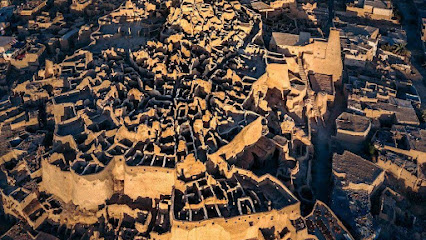
Shali Fortress is the historic heart of Siwa Oasis and one of Egypt’s most atmospheric desert landmarks. The name “Shali” is connected with the Siwan idea of the city, and the old settlement was built with a traditional material often described as salt-rich mud or kershef. This material suited the oasis environment and gave the fortress its distinctive texture and color.
Unlike stone temples or Cairo monuments, Shali feels organic. Its walls, lanes, and ruins rise from the center of the oasis like a natural extension of the earth. The fortress settlement developed as a protected community space, with compact building forms that responded to climate, defense, and local life. Over time, rain and erosion damaged parts of the structure, but the remaining ruins still express the identity of Siwa.
For travelers, Shali is best visited slowly. It offers views over palm groves, old houses, nearby markets, and the surrounding desert landscape. The experience is especially beautiful around sunset, when the warm light emphasizes the shapes of the old walls. It is also a good place to introduce Siwan Amazigh culture, local architecture, and oasis history.
The attraction detail page should present Shali as a cultural landscape, not only a “fortress.” It should connect architecture, environment, and community. Suggested internal links include Siwa Oasis, the Temple of the Oracle, Cleopatra Spring, Fatnas Island, and desert safari experiences. Hero imagery should focus on the ruins rising above the oasis.