
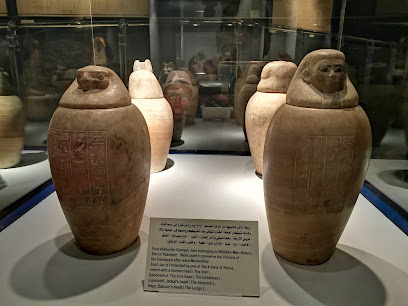
The Mummification Museum in Luxor is a specialized museum dedicated to one of ancient Egypt’s most fascinating beliefs: the preservation of the body for the afterlife. Located in ancient Thebes, the museum explains how Egyptians developed embalming techniques for humans and animals, and how those practices were linked to religion, ritual, and ideas of eternity.
Unlike larger museums that cover many centuries and themes, this attraction has a focused story. Visitors learn about the role of Anubis, the jackal-headed god associated with embalming, and see objects connected with the mummification process. Canopic jars, for example, help explain how key organs were treated and protected. The museum also highlights animal mummification, showing that sacred animals such as cats, dogs, crocodiles, and others had religious significance.
The museum is a strong addition to any Luxor itinerary because it prepares visitors for the tombs of the West Bank. After learning how mummification worked and why it mattered, the decorated burial chambers in the Valley of the Kings and Valley of the Queens become easier to understand. The museum also gives families and first-time visitors a clear introduction to a subject that can otherwise feel mysterious.
A visit is usually short, often around one hour, making it easy to combine with Luxor Museum, Luxor Temple, or a Nile-side walk. The experience is educational, atmospheric, and highly relevant to the funerary monuments that make Luxor famous. For an attraction detail page, the Mummification Museum should be positioned as a compact but memorable cultural stop for anyone interested in ancient Egyptian religion, medicine, and the journey to the afterlife.