
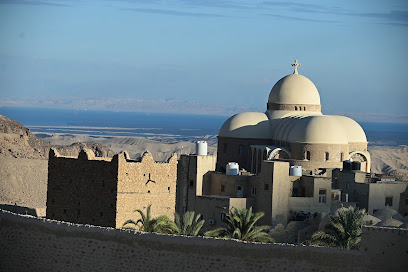
The Monastery of Saint Paul stands in the Eastern Desert near the Red Sea Mountains and is traditionally associated with Saint Paul the Hermit. Together with the Monastery of Saint Anthony, it forms one of Egypt’s most important desert monastic landscapes. The attraction is not only a religious destination; it is also a rare opportunity to see how spiritual communities adapted to harsh geography and transformed isolation into continuity.
Saint Paul is remembered in Christian tradition as an early hermit who lived in solitude in the desert. The monastery that carries his name preserves that memory through churches, walls, courtyards, and monastic spaces shaped by centuries of prayer and survival. For visitors, the setting is unforgettable: bare mountains, dry valleys, and a sense of remoteness that makes the monastery feel protected from ordinary time.
A good attraction detail page should explain the difference between visiting a living monastery and visiting an archaeological ruin. The site must be approached respectfully. Modest clothing, quiet behavior, and attention to instructions are important. Some areas may be restricted, and photography rules may change. Presenting these expectations clearly improves the visitor experience and protects the dignity of the place.
The monastery is especially valuable for itineraries focused on Coptic heritage. Travelers who have already seen Coptic Cairo can use this visit to understand the desert side of the same story. In Cairo, the heritage appears through churches, icons, manuscripts, and urban neighborhoods. In the Red Sea desert, it appears through silence, caves, defensive architecture, and daily discipline.
The visit is often paired with Saint Anthony’s Monastery in a full-day or long-day route. Tour descriptions should be honest about travel time and road conditions, because the experience is more meaningful when travelers know they are entering a remote religious landscape. It is not a casual beach stop, even though it can be combined with Red Sea areas.
For SEO, the page should answer practical search intent: where the monastery is, who Saint Paul was, whether visitors can enter, what to wear, and how it compares with Saint Anthony’s Monastery. The tone should be calm and respectful. The Monastery of Saint Paul is powerful because it lets travelers encounter Egypt as a country of deserts, saints, faith, and endurance, not only pyramids and temples.