
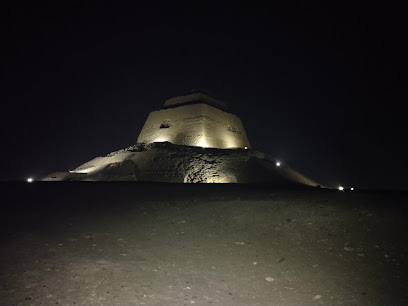
Meidum Pyramid is one of the most important monuments for understanding the evolution of Egyptian pyramid building. Located in Beni Suef Governorate, it is associated with King Sneferu, the first king of the 4th Dynasty. The Ministry of Tourism and Antiquities explains that the monument began as a step pyramid and was later transformed toward a true pyramid with smooth sides.
What visitors see today is striking and unusual: a tall core rising from a mound of collapsed casing and debris, giving the pyramid a dramatic silhouette unlike Giza or Dahshur. This appearance makes Meidum visually memorable, but its real importance lies in architectural experimentation. It stands between the Step Pyramid tradition and the perfected true pyramids of Sneferu’s later projects, such as the Bent Pyramid and Red Pyramid at Dahshur.
The site also includes surrounding tombs and archaeological remains that help place the pyramid within a larger royal landscape. For travelers interested in ancient engineering, Meidum is a key stop because it shows that pyramid design developed through trial, adaptation, and ambition rather than appearing fully formed.
Meidum can be visited as part of a Middle Egypt or pyramid-focused route, often combined with Dahshur, Saqqara, or Fayoum depending on logistics. For SEO attraction content, it should be presented as an essential pyramid for understanding the transition from stepped monuments to true pyramids: less crowded than Giza, visually unique, and historically central to Sneferu’s architectural legacy.