
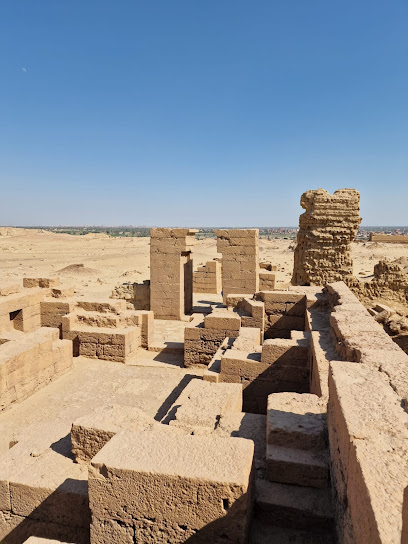
Karanis Archaeological Site is one of the clearest places to explore Greco-Roman Fayoum. Located near Kom Aushim Museum, the site preserves remains of an ancient town that once formed part of Fayoum’s agricultural and religious landscape. For visitors, Karanis is valuable because it shifts attention from royal monuments to everyday urban life.
The ruins include traces of houses, streets, temple areas, and settlement structures that help explain how people lived outside Egypt’s most famous capitals. Fayoum in the Greco-Roman period was a productive and connected region, shaped by irrigation, farming, local cults, and contact with wider Mediterranean culture. Karanis gives that history a physical setting.
A good attraction page should prepare travelers for the nature of the site. Karanis is not a perfectly preserved temple complex like Edfu, and it does not offer the monumental drama of Karnak. Its appeal is archaeological: foundations, walls, textures, and the relationship between remains and landscape. A guide or strong written explanation makes a major difference because the ruins become more meaningful when connected to daily life.
The site works especially well with Kom Aushim Museum. Artifacts from the region help visitors imagine the people behind the ruins: household objects, religious items, pottery, and other traces of ordinary life. This makes Karanis a strong educational stop for families, students, and travelers who enjoy archaeology that tells social history rather than only royal history.
Karanis can be included in a Fayoum route with Lake Qarun, Qasr Qarun Temple, Tunis Village, and Wadi Hitan. The page should recommend sun protection, comfortable shoes, and realistic expectations. It should also emphasize respect for the ruins, avoiding climbing fragile remains or removing any material.
For SEO, target phrases such as “Karanis Fayoum,” “Karanis Archaeological Site,” “Greco-Roman town Egypt,” and “Kom Aushim Karanis.” The attraction deserves a blog-style page because it fills an important gap in Egyptian travel content: the story of towns, farmers, households, and regional life during a period when Egyptian, Greek, and Roman worlds overlapped.