
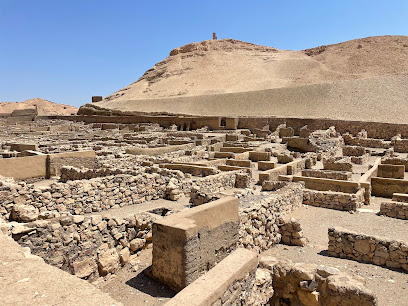
Deir el-Medina is one of the most human sites in ancient Thebes. It was the village of the artisans, draftsmen, and workers who built and decorated the royal tombs in the Valley of the Kings and Valley of the Queens. ARCE describes it by its ancient name Set-Maat, “The Place of Truth,” and emphasizes its importance for understanding daily life in ancient Egypt.
The attraction’s power is that it shifts attention from kings to skilled communities. Visitors can explore the remains of houses, streets, chapels, and beautifully decorated tombs belonging to craftsmen and officials. The site helps explain how royal tomb production depended on organized labor, specialized knowledge, families, administration, religion, and community life. For many travelers, it becomes one of the most memorable West Bank stops because it feels personal and relatable.
For SEO, target “Deir el-Medina”, “village of the tomb workers”, “Place of Truth Egypt”, and “daily life in ancient Egypt Luxor”. The article should answer who lived there, why the village was built near the royal necropolis, and what makes its private tombs different from royal tombs.
A practical visitor section should suggest pairing Deir el-Medina with the Valley of the Queens, Medinet Habu, the Ramesseum, and Hatshepsut Temple. It should also explain that some tombs may be small or have controlled access, so visitor expectations and current ticket rules must be verified. Comfortable shoes and slow observation are important because the value is in details.
Images should show the village remains, desert setting, or licensed tomb paintings. The Arabic page should use “دير المدينة” and explain that it is not a monastery in the usual tourist sense, but the modern name of an ancient workers’ village. In Pyramids Gates, it is ideal for deep-history tours and educational content.