
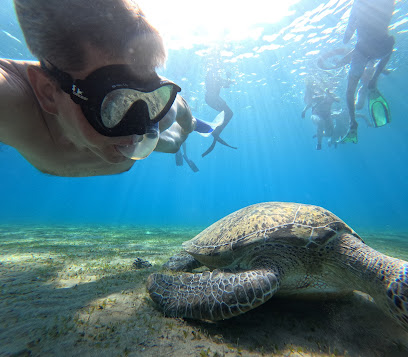
Abu Dabbab Bay is one of Egypt’s Red Sea and coastal attractions that works well as a dedicated travel guide page because it combines a clear visitor promise with practical trip-planning value. A beach and snorkeling site near Marsa Alam known for seagrass habitats and marine life. For an Egypt travel platform, this page should introduce the place in a calm, accurate way, then help the visitor understand why it matters, what type of traveler it suits, and how it can fit into a wider itinerary.
The first thing to know about Abu Dabbab Bay is its setting. The Red Sea coast is not only a beach destination; it is a meeting point between desert landscapes, coral reefs, protected marine habitats, resort towns, and small local communities. Visitors usually come for sunshine, clear water, boat trips, diving, snorkeling, wind sports, or quiet resort time, but the strongest travel experiences often come from combining the sea with a desert excursion, a marina walk, or a conservation-aware visit to nearby natural areas.
A good visit to Abu Dabbab Bay depends on matching expectations with the right pace. Travelers looking for relaxation can treat it as a slow beach day with time for swimming, photography, and sunset views. Active travelers can look for water-based activities such as snorkeling, diving, kitesurfing, or boat excursions where available. Families usually appreciate simple logistics, safe beaches, and short transfers, while experienced divers and nature lovers should pay closer attention to reef protection rules, permitted access zones, and seasonal sea conditions.
From a storytelling point of view, Abu Dabbab Bay should not be presented only as a point on the map. The attraction is part of Egypt’s wider coastal identity: warm weather for much of the year, dramatic desert backdrops, ports and resort towns shaped by tourism, and a marine environment that needs careful protection. This makes the page useful for SEO because people search not only for the attraction name, but also for nearby beaches, best time to visit, snorkeling, diving, family trips, day tours, and how to combine it with Hurghada, Marsa Alam, Safaga, or South Sinai routes.
For photography, the best hero image is usually a wide natural scene: turquoise water, a clean shoreline, a reef boat, a desert-meets-sea view, or a calm beach with clear sky. The page should avoid over-promising wildlife encounters, especially with dolphins, turtles, or dugongs, because sightings depend on nature and responsible local rules. The most trustworthy tone is honest: explain what visitors commonly enjoy, mention environmental sensitivity, and encourage respectful behavior such as not touching coral, not feeding wildlife, and following licensed guide instructions.
In a tour detail page, Abu Dabbab Bay can be linked to related attractions and experiences. Red Sea destinations pair naturally with snorkeling boat trips, diving introductions, desert safari routes, marina evenings, beach clubs, and cultural extensions to Luxor or Cairo when transfers allow. The final paragraph should give the traveler confidence: Abu Dabbab Bay is a strong choice for visitors who want Egypt beyond the pyramids and temples, especially those looking for sea, sun, nature, and a slower coastal rhythm.