Overview & Geographic Heart of Egypt
Cairo, the capital of Egypt, is the largest metropolitan area in the Arab world and a historic epicenter of Africa and the Middle East. Situated at the apex of the Nile Delta—roughly 160 kilometers (100 miles) south of the Mediterranean coast and 120 kilometers (75 miles) west of the Gulf of Suez—Cairo occupies one of the most strategically significant geographic crossroads in human history. At this point, the narrow ribbon of the Nile Valley expands into the fertile alluvial fan of the Delta, linking Upper Egypt in the south with Lower Egypt in the north, while forming a natural transit bridge between North Africa, the Sinai Peninsula, and Western Asia.
The metropolitan landscape spans both the eastern and western banks of the Nile River, though the historic core developed primarily on the east bank, shielded by the limestone ridges of the Moqattam Hills. These heights historically provided both natural defense and stone quarries for early architectural developments. For over five millennia, this precise geographic focal point has anchored national governance, originating with nearby ancient Memphis and evolving into today's megalopolis. Cairo’s climate is classified as hot desert (Köppen BWh), marked by mild winters, hot summers, and low annual precipitation, making the Nile River the city's definitive ecological lifeline and central orientation axis.
Historical Evolution: From Ancient Memphis to Modern Metropolis
The history of the urban center now known as Cairo spans over five millennia, characterized by successive layers of civilization that shifted the city's geographical core along the Nile bank. The foundation of this regional nexus dates back to the Early Dynastic Period (c. 3100 BCE) with the establishment of Memphis (Ineb-Hedj), the capital of unified Egypt under King Narmer, situated just south of modern Cairo. Concurrently, the nearby sacred city of Heliopolis (Iunu) served as the primary theological center for the worship of the sun god Ra.
During the Roman and Byzantine periods, strategic priority shifted northward along the riverbank, leading to the construction of the formidable Fortress of Babylon in the 1st century CE. Following the Arab-Islamic conquest of Egypt in 640 CE, the commander Amr ibn al-A'as established Al-Fustat just north of Babylon, creating the first Islamic capital in Africa. Subsequent ruling dynasties expanded the urban footprint northward: the Abbasids founded Al-Askar in 750 CE, and the Tulunids established Al-Qata'i in 868 CE.
The defining moment in the city's identity occurred in 969 CE, when the Fatimid general Jawhar al-Siqilli conquered Egypt under Caliph Al-Mu'izz li-Din Allah and established the fortified royal enclosure named Al-Qahira ("The Victorious"). In the late 12th century, Saladin (Salah al-Din al-Ayyubi) unified Al-Fustat and Al-Qahira within a continuous defensive wall anchored by the Cairo Citadel. Under the Mamluk Sultanate (1250–1517 CE), Cairo became a global center of Islamic art, scholarship, and transcontinental trade. Following the Ottoman period (1517–1867) and 19th-century modernization under Khedive Ismail—who transformed downtown Cairo into a European-style metropolis—the city expanded into the vast modern capital seen today.
Islamic Cairo & Medieval Heritage
Historic Cairo, widely referred to as Islamic Cairo, is one of the world's oldest and most densely preserved historic Islamic urban centers, inscribed as a UNESCO World Heritage Site in 1979. Developed primarily between the 10th and 16th centuries under the Fatimid, Ayyubid, and Mamluk dynasties, this urban core is renowned for its extraordinary concentration of medieval Islamic architecture, encompassing over 600 registered monuments including mosques, madrasas, mausoleums, hammams, and fortified gates.
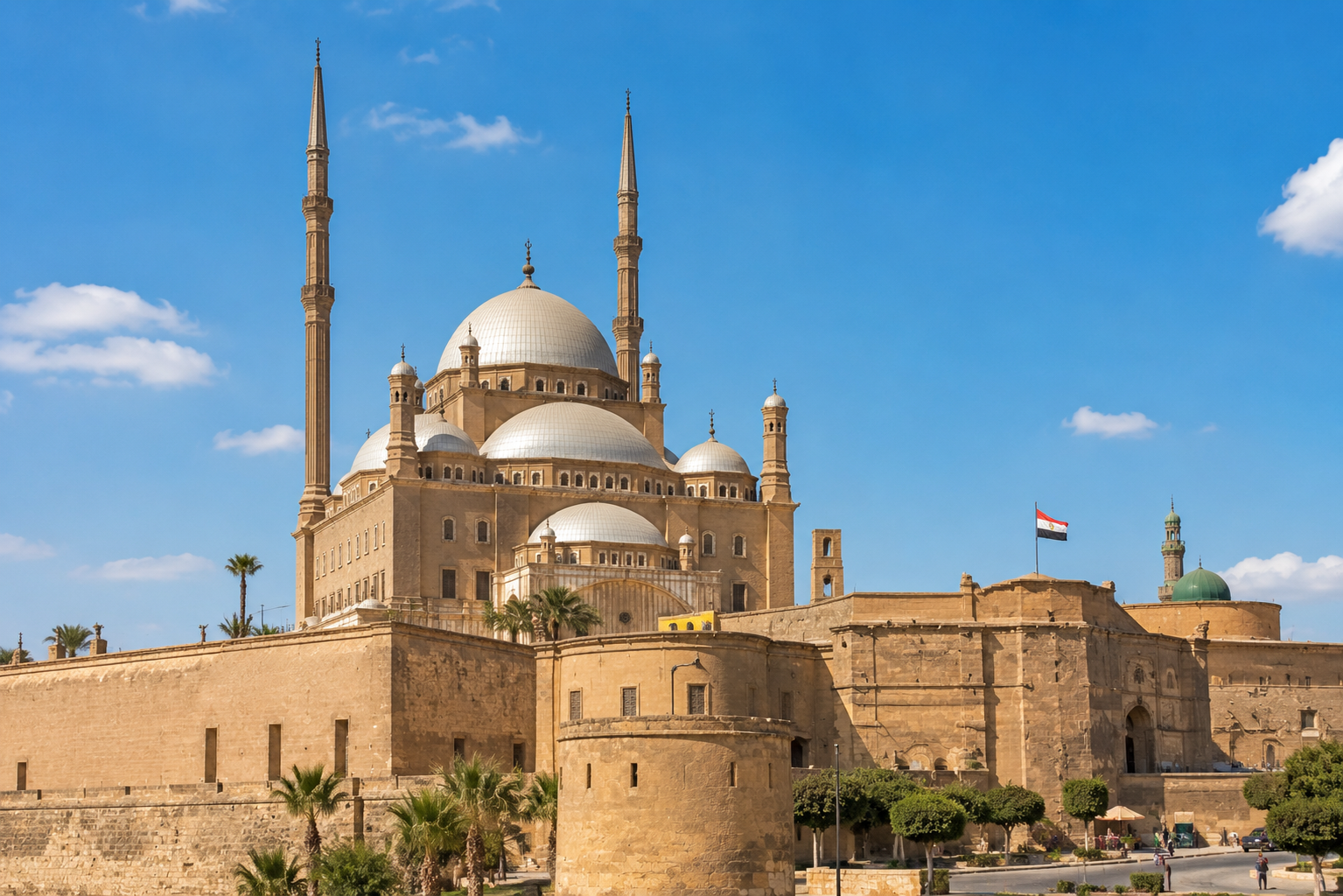
Among its most iconic structures is Al-Azhar Mosque, founded in 970 CE alongside the establishment of the Fatimid capital; it evolved into one of the world's primary centers of Sunni Islamic learning. Dominating the eastern skyline from the Muqattam foothills is the Cairo Citadel (Qala'at Salah al-Din), constructed by Saladin in 1176 CE as a seat of government and military stronghold. Within and around the medieval walls, architectural masterpieces such as the Mosque-Madrasa of Sultan Hassan (1356–1363 CE)—celebrated for its monumental scale and vaulting—and the adjacent Al-Rifa'i Mosque define the skyline. The area's dense urban layout retains historic streetscapes, traditional residential courtyard houses like Bayt Al-Suhaymi, and majestic city gates including Bab Zuweila, Bab al-Futuh, and Bab al-Nasr.
Coptic Cairo & Religious Landmarks
Coptic Cairo, located within the ancient walls of the Roman Fortress of Babylon in Old Cairo (Masr al-Qadima), represents one of the oldest Christian enclaves in North Africa. This historic district served as an early epicenter for Christianity in Egypt and remains a central spiritual focal point for the Coptic Orthodox Church. The area is defined by narrow cobblestone alleys, defensive Roman masonry, and a concentration of profound religious architecture spanning nearly two millennia.
Among its most celebrated monuments is the Hanging Church (Al-Mu'allaqa), dedicated to the Virgin Mary, which derives its name from being constructed atop the southern gatehouse towers of the Roman fortress. Nearby stands the 4th-century Church of Saint Sergius and Bacchus (Abu Serga), renowned for its subterranean crypt where, according to Christian tradition, the Holy Family sought shelter during their flight into Egypt. Additional key landmarks include the Church of Saint Barbara, the Greek Orthodox Monastery and Church of Saint George, and the Coptic Museum, which houses the world’s most extensive collection of Coptic artwork, textiles, and manuscripts. Demonstrating the multicultural history of the district, Coptic Cairo also encompasses the historic Ben Ezra Synagogue, famous for the 19th-century discovery of the Cairo Genizah archives.
Khedivial Cairo & Downtown Architecture
In the late 19th century, Khedive Ismail initiated a transformative modernization project that established Khedivial Cairo (Wust al-Balad), fundamentally reshaping the urban landscape west of the medieval city. Inspired by Baron Haussmann’s grand renovation of Paris, Khedive Ismail envisioned a modern European-style metropolis to coincide with the opening of the Suez Canal in 1869. The project replaced agricultural land and floodplains with a grid of wide avenues, radial boulevards, public gardens, and expansive plazas, including Tahrir Square (formerly Ismailia Square), Opera Square, and Talaat Harb Square.
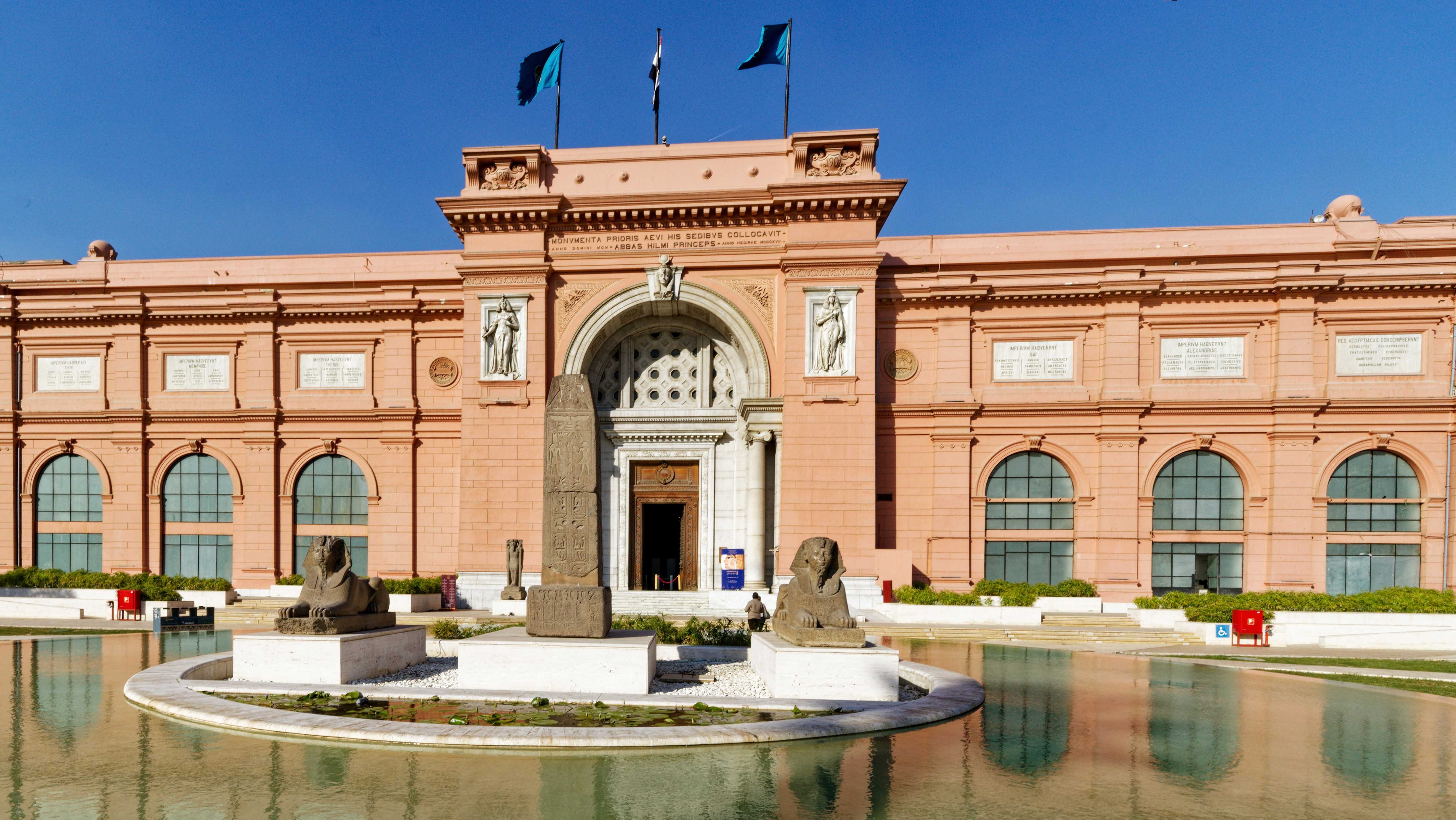
Architecturally, Khedivial Cairo became a showcase for European and eclectic styles, seamlessly blending Neoclassical, Neo-Baroque, Art Nouveau, and Beaux-Arts traditions with subtle Islamic and regional motifs. European and Egyptian master architects designed landmark residential, commercial, and governmental structures characterized by high ceilings, ornate wrought-iron balconies, and stone facades. Key architectural highlights include Abdeen Palace—which replaced the Citadel as the royal seat of government—and the Neo-Classical facade of the Egyptian Museum in Tahrir. Comprehensive urban restoration initiatives continue to conserve this Belle Époque heritage, preserving downtown Cairo as a vibrant architectural and cultural district.
Major Museums & Cultural Institutions
Cairo stands as the premier cultural and museological center of North Africa and the Arab world, housing thousands of years of human heritage within specialized institutions. For over a century, the Egyptian Museum in Tahrir Square, opened in 1902, served as the primary repository for Pharaonic antiquities. Designed by French architect Marcel Dourgnon in a Neo-Classical style, it historically displayed over 120,000 artifacts, including Old Kingdom masterpieces like the Statue of Khafre and the Narmer Palette.
In recent years, Egypt restructured its museum ecosystem. The National Museum of Egyptian Civilization (NMEC) in Fustat opened its main halls in 2021, presenting a comprehensive narrative of Egyptian history from prehistoric times through Pharaonic, Greco-Roman, Coptic, Islamic, and modern eras. NMEC serves as the permanent home for 22 royal mummies transferred during the historic Pharaohs' Golden Parade. Complementing this is the mega-project Grand Egyptian Museum (GEM) on the Giza Plateau, designed as the world's largest archaeological museum complex dedicated to a single civilization and housing the complete collection of Tutankhamun's treasures. Additional key cultural venues include the Cairo Opera House on Gezira Island, the Manial Palace Museum, and the Museum of Islamic Art, which holds one of the most comprehensive collections of Islamic artifacts globally.
Bazaars, Traditional Markets, and Local Crafts
Cairo’s historic bazaars and traditional souqs form the commercial and social heart of the medieval city, preserving centuries-old artisan traditions and mercantile heritage. The most famous among these is Khan el-Khalili, originally established in the late 14th century by Amir Djaharks el-Khalili during the Mamluk era on the site of a Fatimid burial ground. Designed as a bustling trade hub for regional and transcontinental merchants, Khan el-Khalili evolved into a vast network of covered alleys, open-air courtyards, and historic wikalas (caravanserais)—such as the impeccably restored Wikalat al-Ghouri, which historically provided lodgings for foreign traders and storage for valuable commodities.
Within these historic quarters, specialized craft guilds continue to produce traditional Egyptian handicrafts using centuries-old techniques. Along the nearby Street of the Tentmakers (Sharia al-Khayamiya), the last remaining covered Ottoman-era market in Cairo, artisans practice the meticulous art of Khayamiya—hand-stitched appliqué textile work featuring intricate geometric, floral, and calligraphic patterns. Other historic lanes host dedicated workshops for hammered brass and copperware, inlaid marquetry woodwork (Mashrabiya and mother-of-pearl cabinetry), hand-blown glass, leather goods, and perfume essences. Complemented by historic gathering places like El Fishawy Cafe—operating continuously for over two centuries—Cairo's traditional markets offer an immersive living connection to the city's living cultural heritage.
Life Along the Nile: Waterfronts, Islands, and Feluccas
The Nile River serves as the physical spine and cultural pulse of Cairo, shaping its urban development, transport networks, and recreational life. Flowing northward through the center of the metropolis, the river encompasses historic islands such as Gezira (Zamalek) and Roda Island, which have played prominent roles in Cairo's architectural and social development. Gezira Island is home to upscale residential districts, diplomatic enclaves, cultural centers, and the iconic Cairo Tower (Borg Al-Qahira), a 187-meter lattice structure completed in 1961 that offers 360-degree panoramic views across the capital. Nearby on Roda Island stands the Roda Nilometer (Meqyas al-Nil), built in 861 CE under Abbasid Caliph Al-Mutawakkil; this stone-lined measuring shaft is one of the oldest surviving Islamic structures in Cairo, historically used to gauge the Nile's annual flood height to calculate national agricultural tax rates.
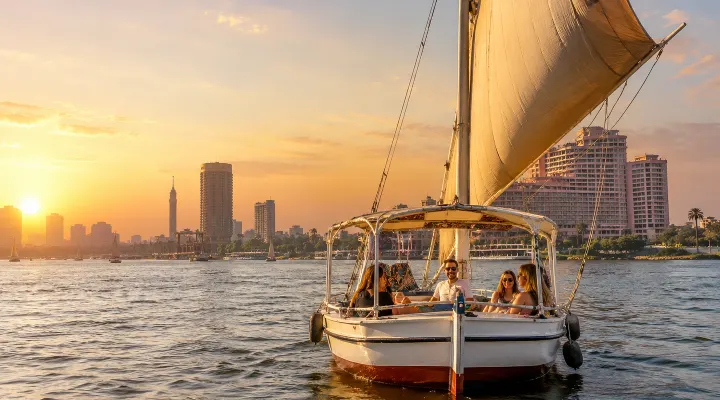
Along the riverbanks, modern urban developments like the Ahl Masr Corniche (Mamsha Ahl Masr) have revitalized the waterfront into multi-level pedestrian walkways, dining plazas, and public recreational spaces. The Nile remains a central hub for leisure navigation, ranging from traditional wooden sailboat trips on feluccas—which offer serene journeys powered by canvas sails—to motor launches, floating restaurant vessels, and luxury dinner cruises. These waterborne routes provide unique vantage points of Cairo’s illuminated skyline and historic bridge networks, seamlessly connecting the riverfront with modern urban life.
Modern Culture, Gastronomy, and Nightlife
Cairo is a dynamic modern metropolis where contemporary urban lifestyle thrives alongside ancient traditions. As the historical hub of Arab cinema, music, and literature, the city continues to cultivate a vibrant artistic scene centered in cultural centers, art galleries, independent theaters, and music venues across districts like Zamalek, Downtown, and Maadi. Annual events, international film festivals, and contemporary arts initiatives reflect Cairo's position as a regional cultural powerhouse.
The city's culinary landscape ranges from iconic Egyptian street food to refined international dining. Traditional staple dishes include koshary—a mixture of rice, macaroni, lentils, chickpeas, and crispy fried onions topped with spiced tomato sauce—as well as ta'ameya (Egyptian fava-bean falafel), ful medames, hawawshi, and grilled meats. Historic coffeehouses (ahwas) serve as social gathering places for backgammon and tea, while modern cafes, rooftop lounges along the Nile, and late-night eateries embody Cairo's renowned nightlife, where the city remains active well past midnight.
Practical Visitor Guide & Travel Information
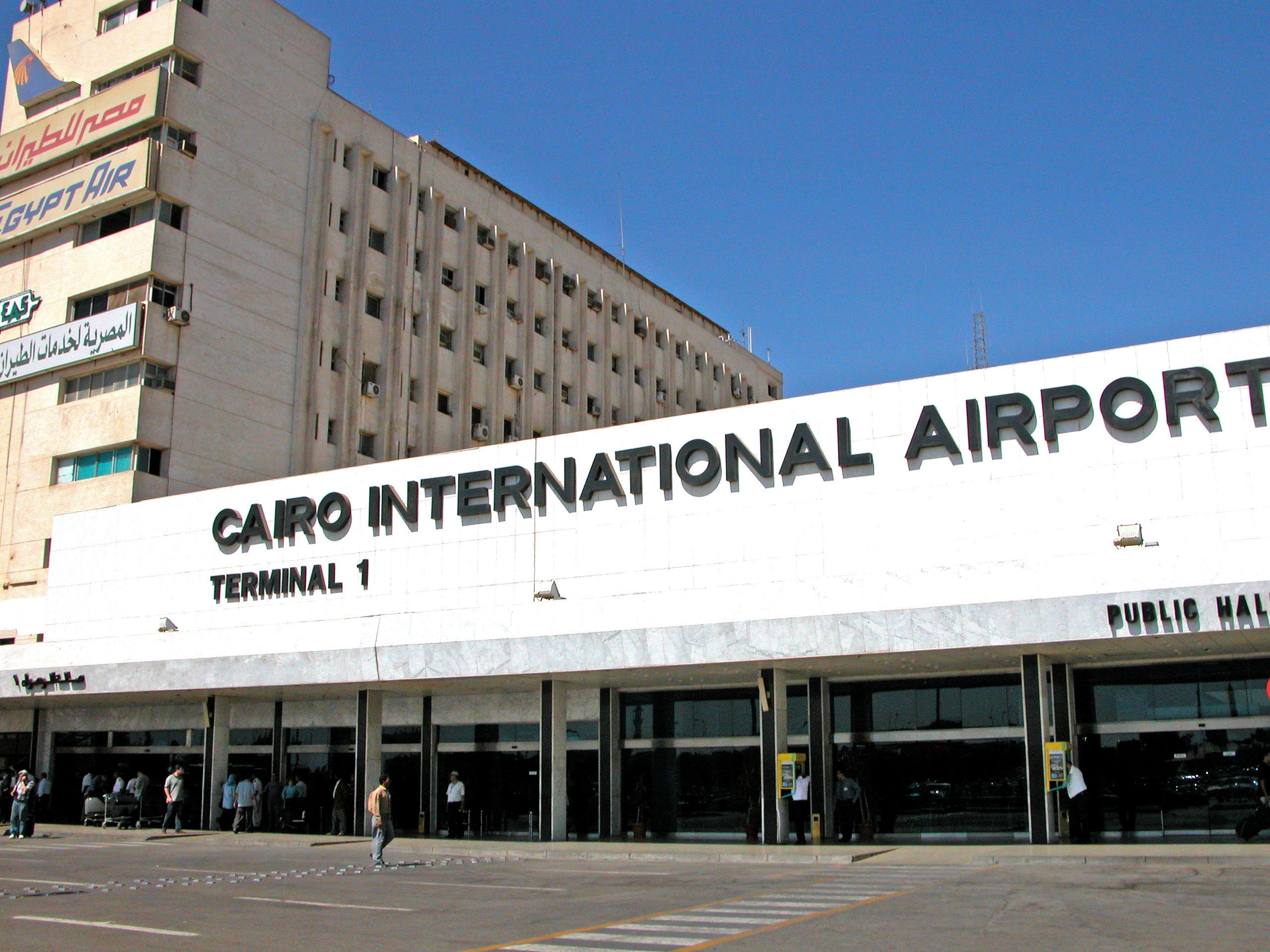
Navigating Cairo efficiently requires an understanding of its transportation infrastructure, seasonal climate, and cultural customs. Cairo International Airport (CAI), located approximately 15 kilometers northeast of the city center, serves as the primary international gateway to Egypt, connecting the capital with major global destinations. Within the city, travel options include the Cairo Metro—one of the oldest and most extensive underground networks in Africa and the Middle East—as well as rideshare services, licensed metered taxis, and public transportation routes.
The optimal time to visit Cairo is during the cooler months from October to April, when daytime temperatures are pleasant for outdoor sightseeing and exploring open-air archaeological zones. When visiting historical sites, active places of worship, and traditional markets, visitors should observe local customs, including modest dress codes at religious landmarks. Cairo's strategic central location also makes it an ideal base for excursions to nearby destinations, including the Giza Pyramids, Saqqara, Dahshur, and the Fayoum Oasis.